CHUONG LAB

< GENOME INVADERS >

We study transposable elements — virus-like genetic parasites that comprise over half the human genome. Using computational and experimental approaches, we investigate how these “genome invaders” have shaped immune gene regulation, generated novel protein isoforms, and become dysregulated in cancer.

BioFrontiers Institute & Dept. of MCDB
University of Colorado Boulder

🔬 RESEARCH _

Three levels of transposon biology — from genome-wide co-option to disease dysregulation.

AREA 1

Regulatory Co-option

Transposable elements carry ancestral viral regulatory sequences — transcription factor binding sites — that the host genome repurposes as enhancers, promoters, and insulators. We discovered that endogenous retroviruses (ERVs) were co-opted as interferon-inducible enhancers regulating innate immune genes like AIM2 and APOL1. This is not limited to primates: we've shown parallel co-option of LINE-2 elements in cattle and B2 SINEs in mice, revealing a general evolutionary mechanism across mammals.

Key references: Chuong et al., Science 2016 • Kelly et al., Genome Res 2022 • Horton et al., eLife 2023 • Buttler et al., Mobile DNA 2023
AREA 2

TE-Derived Isoforms

Intronic transposable elements can be spliced into host mRNAs as non-canonical exons — a process called exonization. We discovered that an Alu element creates a truncated "decoy" isoform of the interferon receptor IFNAR2. This primate-specific isoform (IFNAR2-S) is secreted, binds IFN-β with high affinity, and suppresses interferon signaling — acting as a dominant-negative regulator. We're now using long-read transcriptomics to systematically discover TE-derived isoforms across immune genes.

Key references: Pasquesi et al., Cell 2024 • Dziulko et al., HMG 2024 • Pasquesi et al., Mobile DNA 2022
AREA 3

TEs in Cancer

Transposable elements that are normally silenced can become reactivated in cancer, creating aberrant enhancers and splice variants. We showed that LTR10 endogenous retroviruses are reactivated as cancer-specific enhancers in colorectal cancer, driven by MAPK/AP-1 signaling. These TE enhancers regulate cancer-relevant genes and can be inhibited by MEK inhibitors, suggesting they are potential therapeutic targets. We're also investigating how IFNAR2 splicing dysregulation in ovarian cancer affects immunotherapy response.

Key references: Ivancevic et al., Sci Adv 2024 • Nguyen et al., MCR 2024 • Nguyen et al., MCT 2024

👨‍🔬 TEAM _

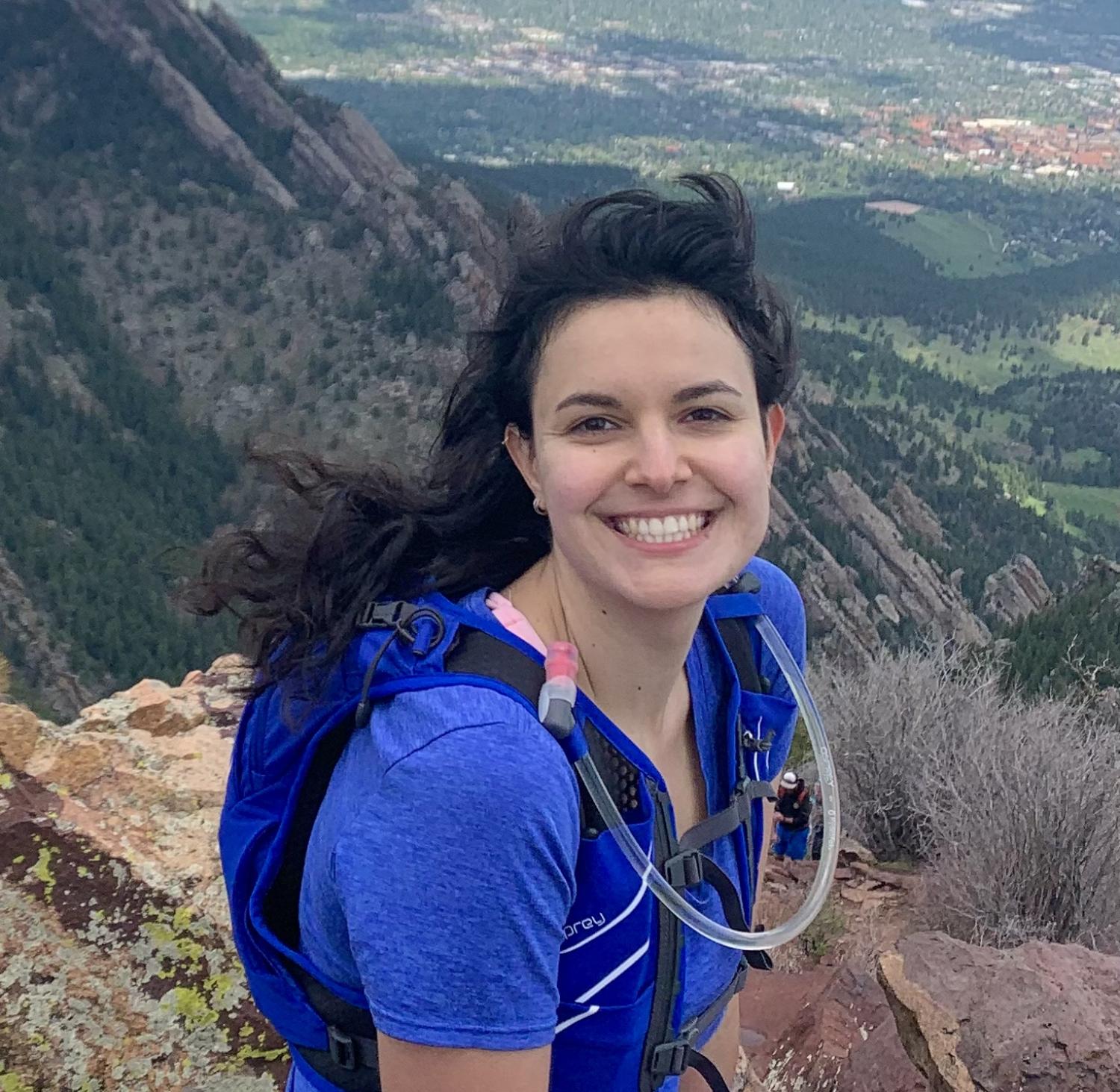
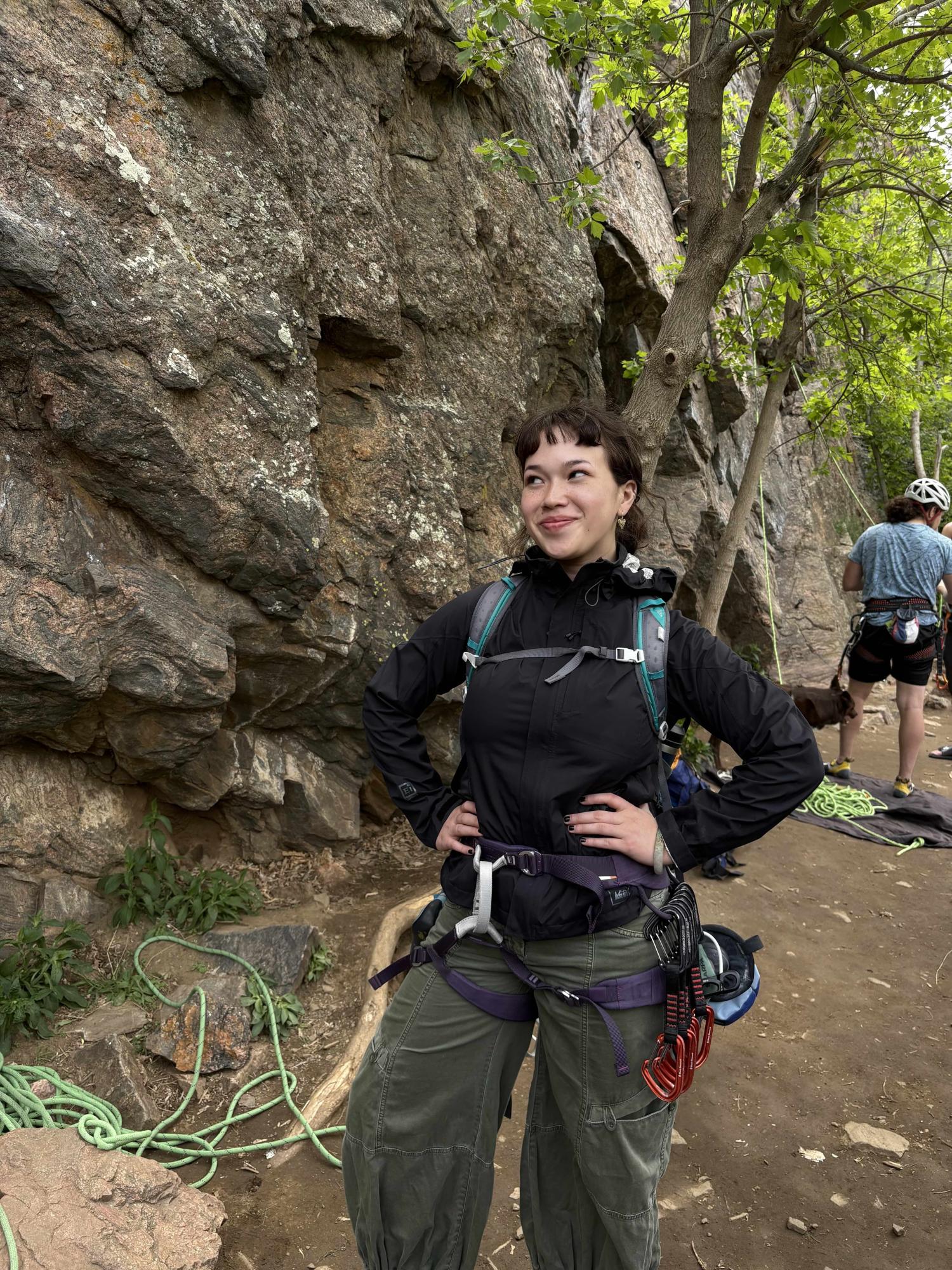
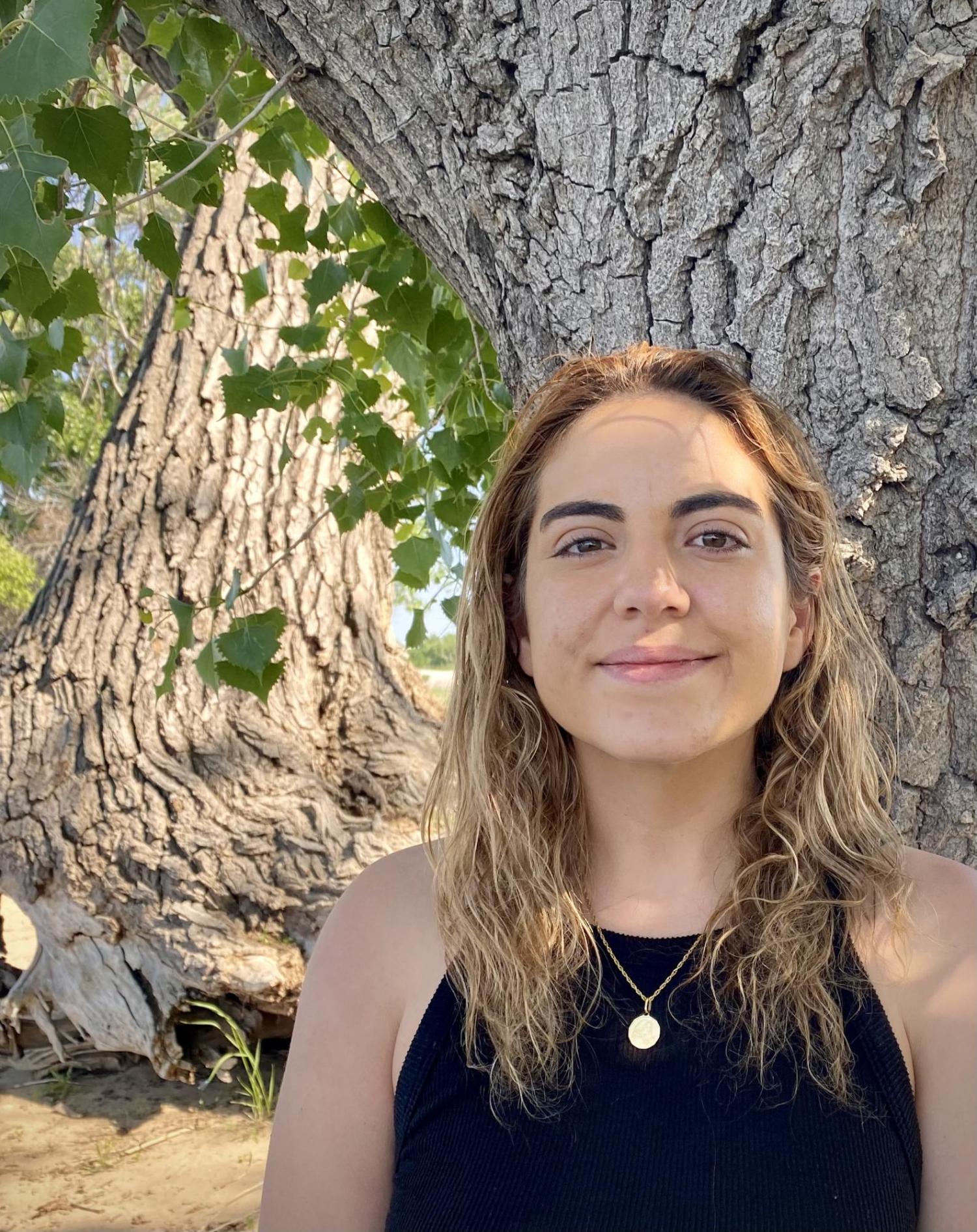
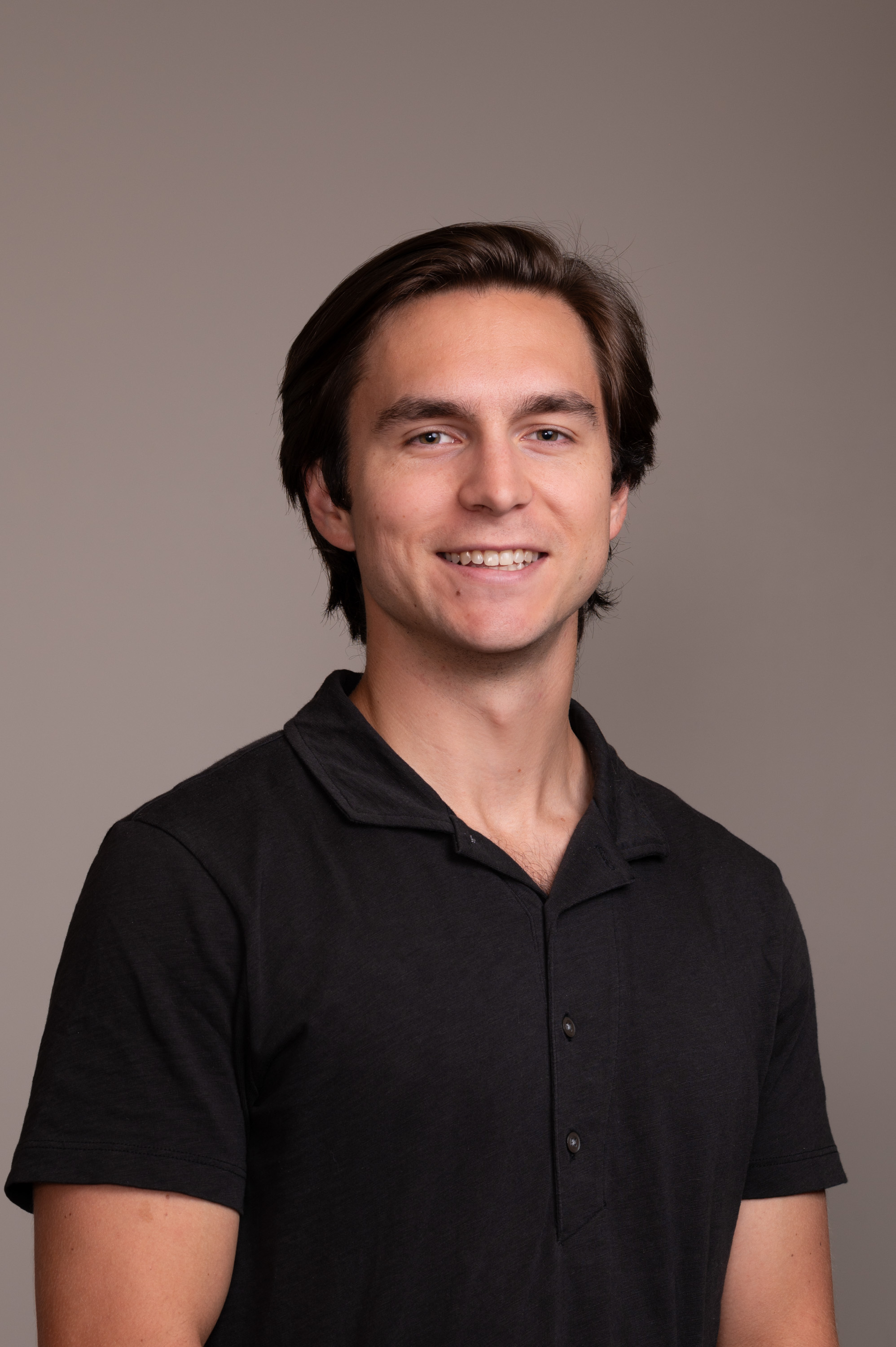
The Chuong lab is dedicated to promoting an inclusive and welcoming environment for scientists from all backgrounds.
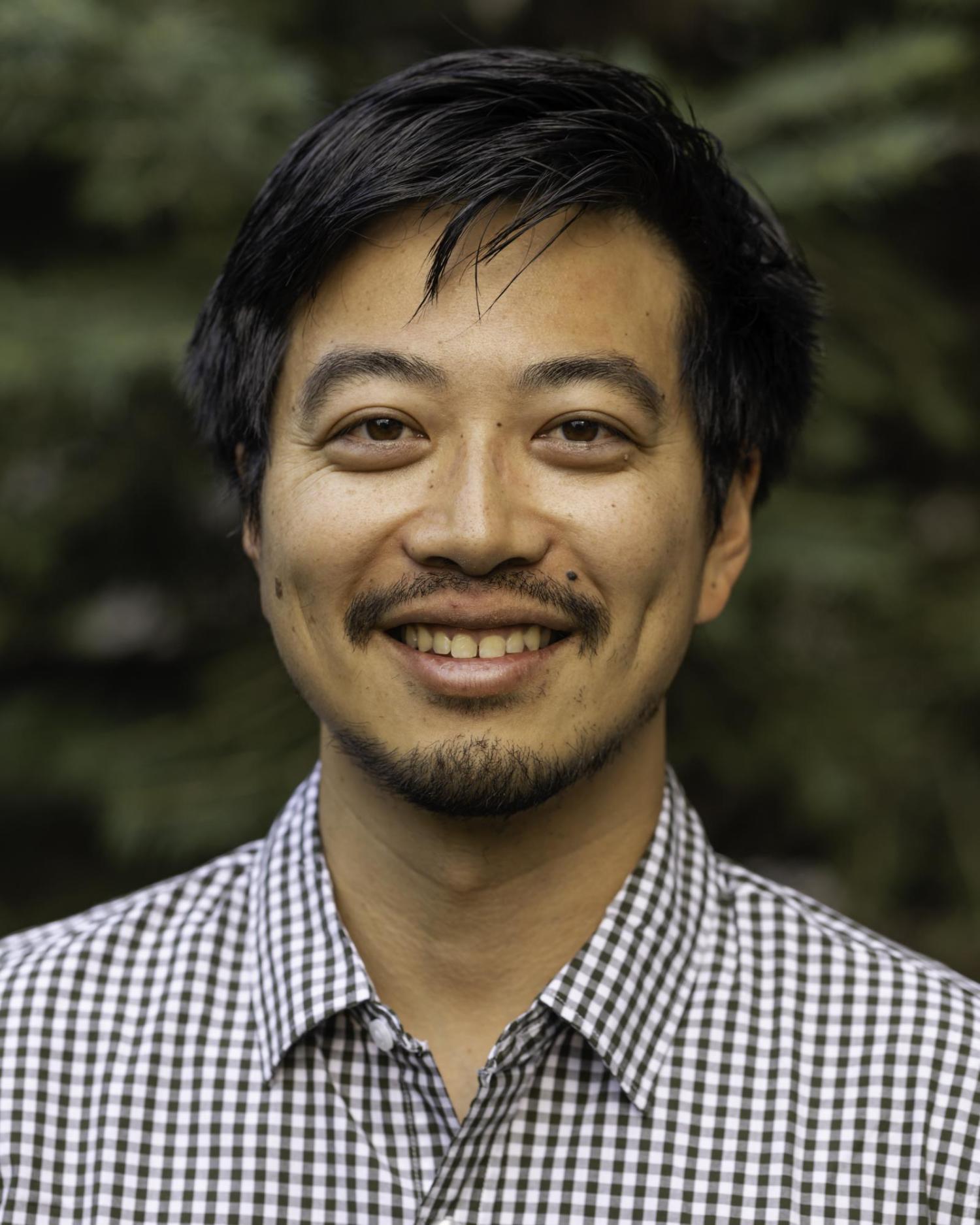
Ed Chuong

Ed Chuong

Principal Investigator

Associate Professor, MCDB & BioFrontiers
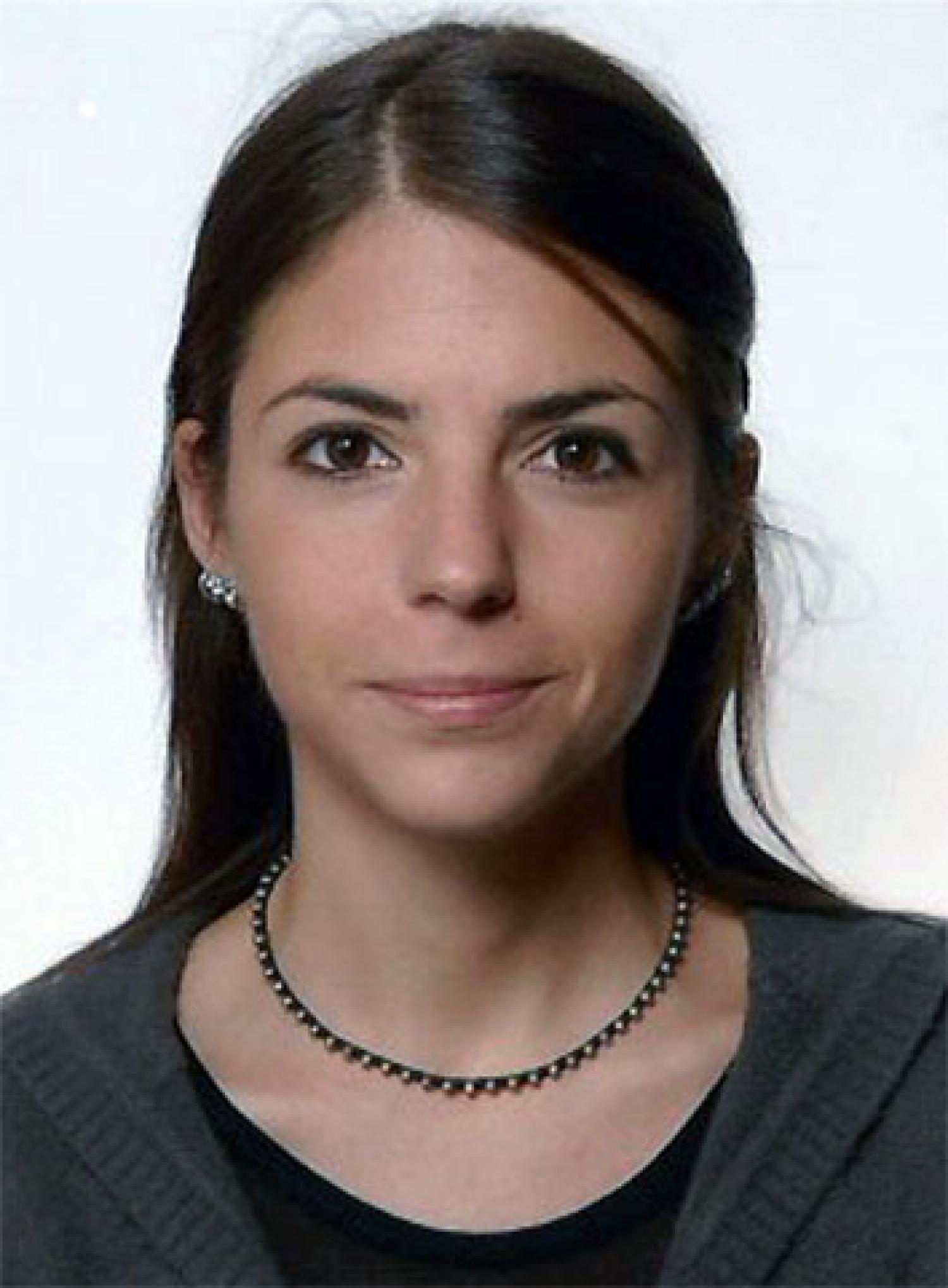
Giulia Pasquesi

Giulia Pasquesi

Postdoc • Sie Fellow • NIH K99

TE-derived isoforms & IFN signaling

Holly Allen

Holly Allen

Lab Manager / Staff Scientist

Genome editing

Atma Ivancevic

Atma Ivancevic

Research Associate

Computational genomics & TE biology

Lynn Sanford

Lynn Sanford

Research Staff

TE regulatory switches in cancer

Mia Chaw

Mia Chaw

Professional Research Assistant

Immune epigenetics

Andrea Ordonez

Andrea Ordonez

Graduate Student • MCDB

Novel TE-derived receptor isoforms

Jimmy Pazzanese Jr

Jimmy Pazzanese Jr

Graduate Student • MCDB

TE-containing splice isoforms

Carolina Valderrama Hincapie

Carolina Valderrama Hincapie

Graduate Student • MCDB/IQ Bio

Chromatin-mediated disease

Nicholas Patty

Nicholas Patty

Graduate Student • IQ Bio/MCDB

TEs in neurodegenerative disease

Ashley Agyepong

Ashley Agyepong

Undergraduate • Boettcher Scholar

MCDB

ALUMNI

Carmen Buttler (Scientist, Darwin Biosciences) Yazmyn Chavez (Medical Assistant, Injury Solutions) Adam Dziulko (Grad student, MCDB/IQ Bio) Keala Gapin (PhD, Stanford Immunology) Stella Haskins (UC Santa Barbara) Alex Hirano (Technician, Mass General Hospital) Bella Horton (MD/PhD, U. Maryland) Doreen Idonije Abigail Jeong (Research, U. Regensberg) Conor Kelly (PhD, UW Genome Sciences) Tania Lara (Metro State University) Alice Mueller (PhD, Johns Hopkins) Chris Mulligan (PhD, UC Davis) Lily Nguyen (MD, CU Anschutz) Olivia Joyner David Simpson (Lab Ops Manager, Arpeggio Biosciences) Rebecca Su (PhD, Weill Cornell Medicine) Kevin Veno (NSA) Yuanyuan Xie (BD Senior Manager, Worg Pharma)

JOIN THE TEAM?

Ed accepts PhD students through MCDB, BCHM, or IQ Biology programs. Inquiries about technician or postdoctoral positions: edward.chuong@colorado.edu

📜 PUBLICATIONS _

Selected papers from the lab.

2024
Regulation of human interferon signaling by transposon exonization Pasquesi GIM*, Allen H*, Ivancevic A*, Barbachano-Guerrero A, Joyner O, Guo K, Simpson DM, Gapin K, Horton I, Nguyen L, Yang Q, Warren CJ, Florea LD, Bitler BG, Santiago ML, Sawyer SL, Chuong EB. Cell 2024.
2024
Endogenous retroviruses mediate transcriptional rewiring in response to oncogenic signaling in colorectal cancer Ivancevic A, Simpson DM, Joyner OM, Bagby SM, Nguyen LL, Bitler BG, Pitts TM, Chuong EB. Science Advances 2024.
2023
Mouse B2 SINE elements function as IFN-inducible enhancers Horton I*, Kelly CJ*, Dziulko A, Simpson DM, Chuong EB. eLife 2023.
2022
Ruminant-specific retrotransposons shape regulatory evolution of bovine immunity Kelly CJ, Chitko-McKown C, Chuong EB. Genome Research 2022.
View all publications →

🏆 FUNDING _

We are grateful for support from these agencies.

🌟

National Institutes of Health

NCI R21

2026–2028
🌟

Collaborative Center for XDP Research

CCXDP Grant

2026–2028
🌟

Cancer Research Institute

Lloyd J. Old STAR Award

2025–2030
🌟

Department of Defense

CDMRP (Co-PI with Dr. Benjamin Bitler)

2025–2029
🌟

National Institutes of Health

NIGMS R35 MIRA

2018–2029
🌟

David & Lucile Packard Foundation

Packard Fellowship for Science & Engineering

2020–2025
🌟

American Cancer Society

Discovery Boost Grant

2024–2025
🌟

University of Colorado

Marvin H. Caruthers Endowed Chair

2018–2021

Alfred P. Sloan Foundation

Research Fellowship

2019–2021

Boettcher Foundation

Webb-Waring Biomedical Research Award

2018–2021

📡 NEWS & CONTACT _

LATEST

May 2026

Lab receives grant from the Collaborative Center for XDP Research (CCXDP)!

May 2026

Nicholas Patty (IQ Bio/MCDB) joins the lab. Welcome!

May 2026

Ed gives invited talks at Clemson University and Jackson Lab Long Read Workshop.

Apr 2026

Ed presents at AAI meeting (Boston).

Mar 2026

Ed gives seminar at University of Utah Dept. of Human Genetics.

Feb 2026

Ed gives invited talk at U. Miami Cancer Center symposium.

Jan 2026

Atma and Holly publish honey bee genome paper in G3.

Nov 2025

Holly co-authors ball python genome paper in G3. Ed gives seminar at UC Irvine.

Aug 2025

Lynn Sanford and Mia Chaw join the lab. Welcome!

Jul 2025

Carolina receives NIH T32 Data Science training grant.

Jun 2025

New paper in collaboration with Russell Vance’s lab (Berkeley) in Nature on the SP140–RESIST pathway! Ed receives the Cancer Research Institute Lloyd J. Old STAR Award ($1.25M).

Apr–Jun 2025

Ed gives invited talks: EMBO Mobile Genomes (Heidelberg, Apr), Genetics Society UK (Belfast, Apr), GRC Molecular Mechanisms in Evolution (Jun).

View all news →

CONTACT

Edward Chuong, PhD
Associate Professor
MCDB & BioFrontiers Institute
University of Colorado Boulder

EMAIL edward.chuong@colorado.edu

BLUESKY @edchuong.bsky.social

OFFICE JSCBB (BioFrontiers), University of Colorado Boulder